
The short version, if you’re a patient
If you’ve had part or all of a meniscus removed and your knee still aches, swells or feels sore on that side — especially if you’re young and active — you may have what surgeons call a meniscus-deficient knee. For a carefully selected group of patients, a meniscal transplant can replace that lost shock-absorber, ease the pain, and help protect the knee from wearing out early.
It is not a routine operation, and it isn’t for everyone. It’s a specialist, technically demanding procedure performed at only a small number of centres in the country — and getting the patient selection right matters just as much as the surgery itself.
What is the meniscus, and why does losing it matter?
Each knee has two menisci — tough, C-shaped wedges of cartilage that sit between the thigh bone (femur) and shin bone (tibia). They act as shock absorbers and load-spreaders, cushioning the joint and protecting the smooth articular cartilage on the bone ends.
When a large part of a meniscus is torn beyond repair and has to be removed (a meniscectomy), the knee loses that protection. In many people that’s fine. But in some — particularly younger, active patients who have lost a lot of meniscus — the joint becomes overloaded in that compartment. The result can be persistent pain, swelling and, over time, an increased risk of early osteoarthritis. This is sometimes called post-meniscectomy syndrome.
What is a meniscal transplant?
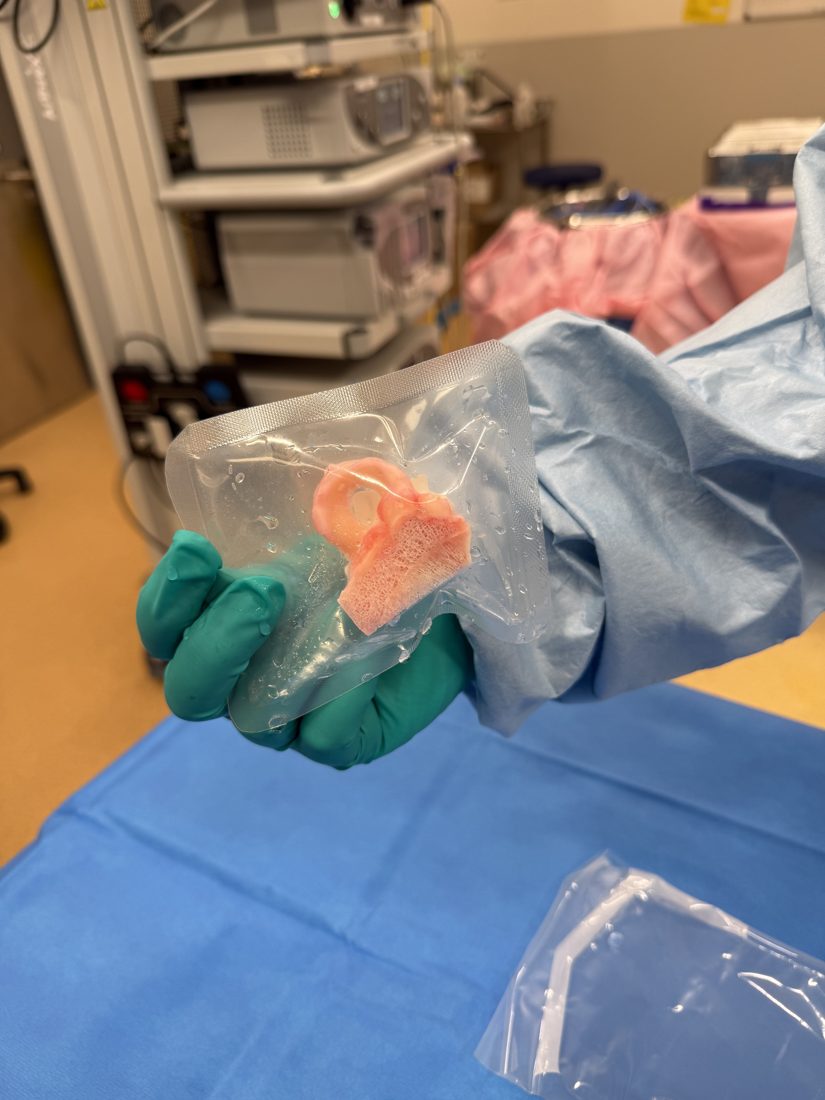
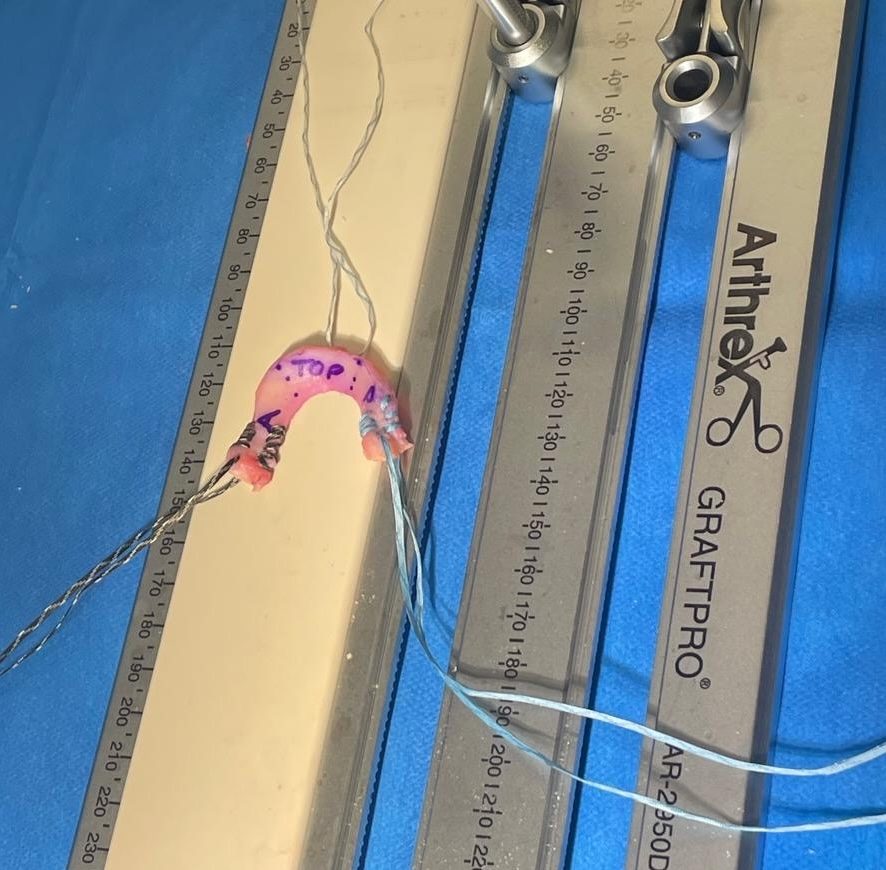
A meniscal transplant — more precisely a meniscal allograft transplantation (MAT) — replaces the missing meniscus with a carefully size-matched donor meniscus (an allograft). The new meniscus is prepared, introduced into the knee largely through keyhole (arthroscopic) techniques, positioned precisely, and secured — either with small bone attachments or sutures — so it can take up its job as a cushion and load-spreader once again.
The goal is knee preservation: to relieve pain now, and to protect the cartilage from the accelerated wear that a meniscus-deficient knee is prone to. It is important to be clear about what it is not — it is not a treatment for established arthritis, and it is not a knee replacement. It is an operation to protect a joint before that damage sets in.
Who is a meniscal transplant for? The indications
Patient selection is the single most important part of meniscal transplant surgery. A transplant tends to work well when the following are true:
- Significant meniscal loss — most or all of a meniscus has been removed, or it is irreparably damaged.
- Symptoms in the affected compartment — ongoing pain, aching or swelling on the side of the knee where the meniscus is missing.
- A young, active patient — typically under around 50, with a knee worth preserving for decades.
- Little or no established arthritis — the cartilage on the bone surfaces is still in reasonable condition.
- A stable knee — the ligaments are intact, or any instability (for example an ACL tear) can be corrected at the same time.
- Good alignment — the leg is not significantly bow-legged or knock-kneed into the affected compartment, or the alignment can be corrected (sometimes with an osteotomy).
Where instability or malalignment is present, these are often addressed at the same time or in a staged way — a meniscal transplant placed into an unstable or badly aligned knee is unlikely to survive. This is exactly why the assessment, not just the operation, needs to be done by a surgeon who does this work regularly.
When it’s not the right operation
A meniscal transplant is generally not advisable if there is established osteoarthritis with significant cartilage loss on both surfaces, uncorrected significant malalignment, uncorrected instability, inflammatory arthritis, or active infection. In these situations other treatments — from injections and osteotomy through to, eventually, joint replacement — may be more appropriate. An honest discussion about whether you are a suitable candidate is part of good care.
Why it’s a specialist operation — done at only a few centres
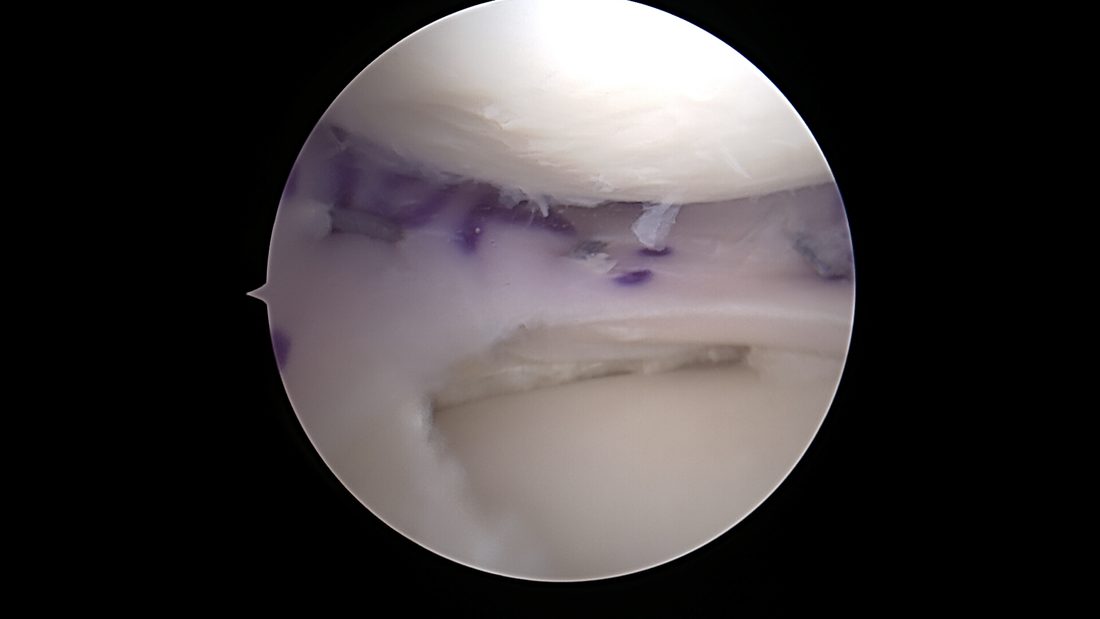
Meniscal transplant is one of the more demanding operations in knee surgery. It requires precise graft sizing, meticulous arthroscopic skill to prepare the joint and pass and position the graft, accurate fixation, and — crucially — the judgement to combine it correctly with any ligament reconstruction or realignment the knee also needs.
For these reasons it is performed by only a small number of fellowship-trained knee and sports-injury surgeons, at a handful of specialist centres across the country. It is not offered everywhere, and outcomes are best in the hands of high-volume arthroscopic surgeons who select their patients carefully and do this work as part of a dedicated knee-preservation practice.
Mr Osman Riaz is one of those surgeons. As Yorkshire’s highest-volume ACL surgeon and a high-volume arthroscopic knee surgeon — and the first to perform meniscal transplant surgery in Huddersfield and Halifax — he offers this specialist procedure to carefully selected patients across Yorkshire and Greater Manchester.
What does recovery involve?
Recovery is protective and gradual. The transplanted meniscus needs time to heal into place, so the early weeks usually involve limited weight-bearing and a controlled range of movement, followed by a structured, progressive rehabilitation programme guided by physiotherapy. Return to impact sport is deferred until the graft is well established. Mr Riaz will give you a tailored rehab plan and realistic timelines for your specific knee.
Returning to sport after a meniscal transplant
One of the most common questions is whether you can get back to sport — and the evidence is encouraging on two fronts: many patients do return, and returning does not appear to harm the transplant.
Most patients return to some form of sport or recreational activity after a meniscal transplant. Published series report a wide range of return-to-sport rates — from around 20% up to over 90% across studies — with return to the same pre-injury level being harder to predict (Ahmed et al., Arthroscopy, 2022). That variability is precisely why realistic, individualised counselling matters.
Return itself is gradual and graft-protective: light activity and rehabilitation come first, with impact and pivoting sport deferred until the graft has healed and integrated — typically several months, and always guided by your surgeon and physiotherapist.
Independently verified patient reviews
Frequently asked questions
Is a meniscal transplant the same as a knee replacement?
No. A knee replacement replaces the worn joint surfaces with metal and plastic. A meniscal transplant replaces the missing cartilage shock-absorber to preserve your own joint and delay or avoid the need for a replacement.
Am I too old for a meniscal transplant?
It’s less about a strict age cut-off and more about the state of your knee. The ideal candidate is younger and active with little established arthritis, but suitability is decided individually after assessment.
Can I return to sport after a meniscal transplant?
Many patients do, and the evidence suggests returning to sport does not harm the transplant. Return is staged and graft-protective, with impact sport deferred until the graft has healed; return to the exact same pre-injury level is less predictable and is discussed individually.
Where is meniscal transplant available near me?
It is offered at only a small number of specialist centres. Mr Osman Riaz provides meniscal transplant assessment and surgery at The Huddersfield Hospital and Spire Elland Hospital, for patients across Yorkshire and Greater Manchester.
Who performs meniscal transplant surgery in Huddersfield and Halifax?
Mr Osman Riaz was the first surgeon to perform meniscal transplant surgery in Huddersfield and Halifax.
Book a consultation
If you’ve lost meniscal cartilage and have ongoing knee pain, a specialist assessment can tell you whether meniscal transplant — or another knee-preserving option — is right for you.